A pesticide salesman knocked at the door, and I wanted nothing to do with it.
I opened it anyway, just to let him know I wasn’t interested, and I wasn’t even the homeowner. That would be my parents.
He was kind and didn’t bother to keep trying, but something caught his eye next to him.
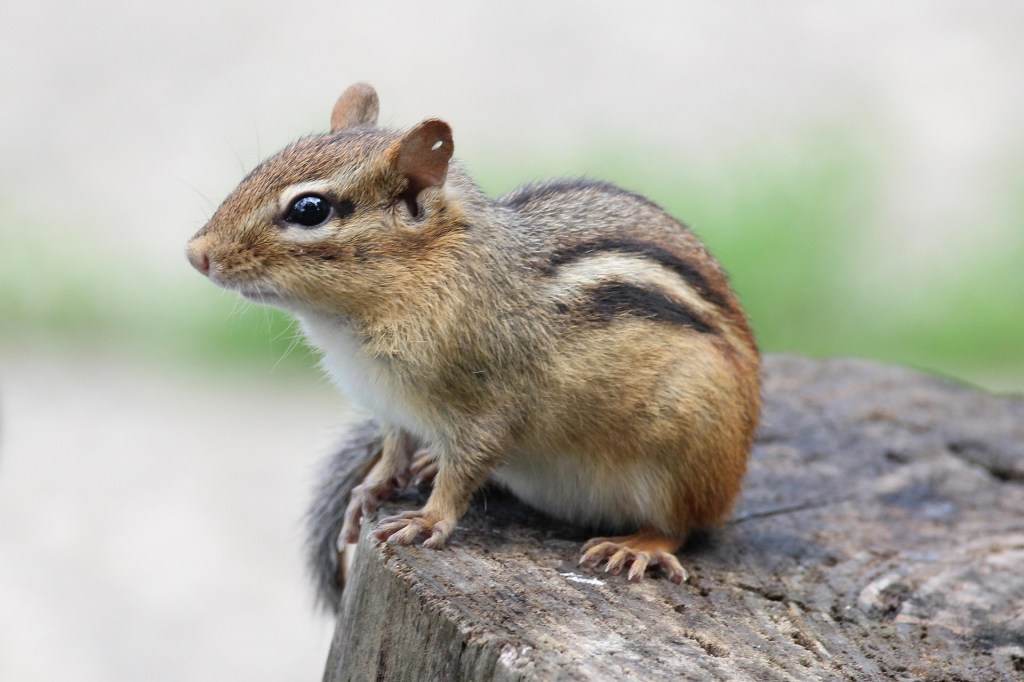
He noticed a little chipmunk, lying motionless on its side. Ironically, he seemed slightly concerned for its well-being but left the decision of doing something about it up to me.
I feel, generally, that wild animals should be left to their own devices. It’s a cutthroat world for people, let alone animals in the wild. And besides, the circle of life isn’t complete without death.
However, I saw this cute chipmunk struggling for its life, panting rapidly, and I couldn’t resist trying to help.
I tried giving it water and some birdseed. This is not something I should have done, as feeding an injured animal could be fatal. The chipmunk didn’t take it anyway.
I truly didn’t know what to do, or who to call. I tried calling vets in my area, not knowing if they treated wild animals at all. They didn’t.
And some of the people I called didn’t quite know how to help either, except for the person I talked to from the Mount Laurel, NJ animal hospital, who directed me to the Woodford Cedar Run Wildlife Refuge.
I’d been there once before. When I was so young, however, I thought it was something like a zoo. I learned that day that it was much more than that.
It was the place I could bring the chipmunk, and the sort of place anyone can utilize to give a wild animal a chance at life.
Cedar Run was founded in 1957 by Betty Woodford, and sits on land that used to be a summer retreat. Volunteers and staff use it now to work around the clock to treat injured and sick animals to either release into the wild or to keep if release into the wild isn’t an option.
It serves around 7,000 animals a year, according to their website. The refuge also has nature trails and educational programs.
Wildlife rehabilitators like Cedar Run can be found throughout New Jersey, and throughout the country.
But why save a wild animal in distress? Like I said before, wild animals live and die all the time.
There’s likely no practical reason to save a chipmunk in the wild. It doesn’t solve the biodiversity crisis, nor does it really affect the local ecosystem in an impactful way.
So why help a wild animal?
I think it’s the humanity in us that drives people to run wildlife rehabilitators, or to use one. As people, we’re in a unique position to empathize with animals and be able to do something about it.
Instead of letting an injured or baby animal suffer, there’s purpose in trying to help in such a small way.
I don’t know why, but I felt for that chipmunk, and I wanted to be able to give it a shot at life, or a humane death.
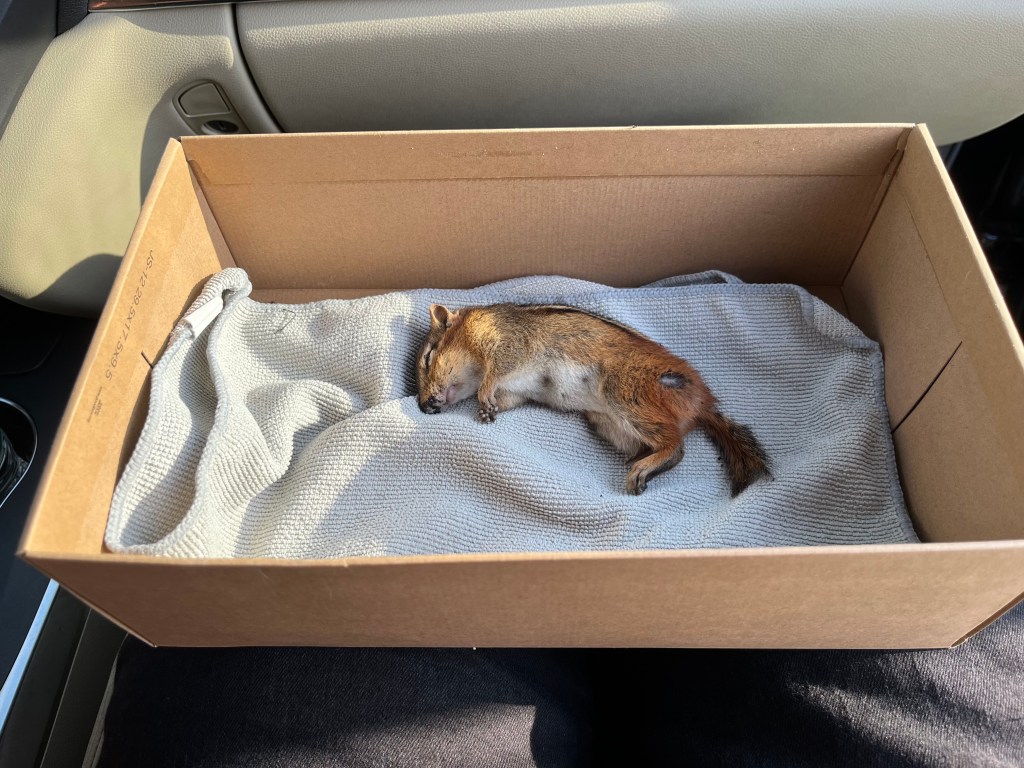
With my mom, I put the chipmunk in a shoebox lined with a small towel. I wore gardening gloves to protect against bites if it got too scared.
My mom drove with me holding the chipmunk in the box. Occasionally, I’d feel scratching and shimmying from it, which gave me a little hope that it had some energy left.
Getting to the refuge, I brought the chipmunk and filled out an intake form. I learned that the refuge keeps meticulous track of its animals and allows people to get updates after seven days for adults, and after 90 days for infants.
We made our way home to eat the dinner we left behind to save the chipmunk, full of hope that the refuge would do the best it can to save it, and that they’d bring it back to the area around my house where I found it.
I sent a request for an update a week later. The news wasn’t surprising, though deeply disappointing.
The chipmunk had “severe body trauma/internal damage,” and died in care. While I wish the ending was happier, the email went on, and gave me some solace.
“Unfortunately, this animal did not make it despite our best efforts,” the email said. “Though the animal passed away, you can be assured that it did not suffer while under our care.”
 The Lotus Review
Leave a comment